


-

Add: HeBei ShengShi HongBang Cellulose Technology CO.,LTD.
-

Email
13180486930@163.com -

CONTACT US
+86 13180486930





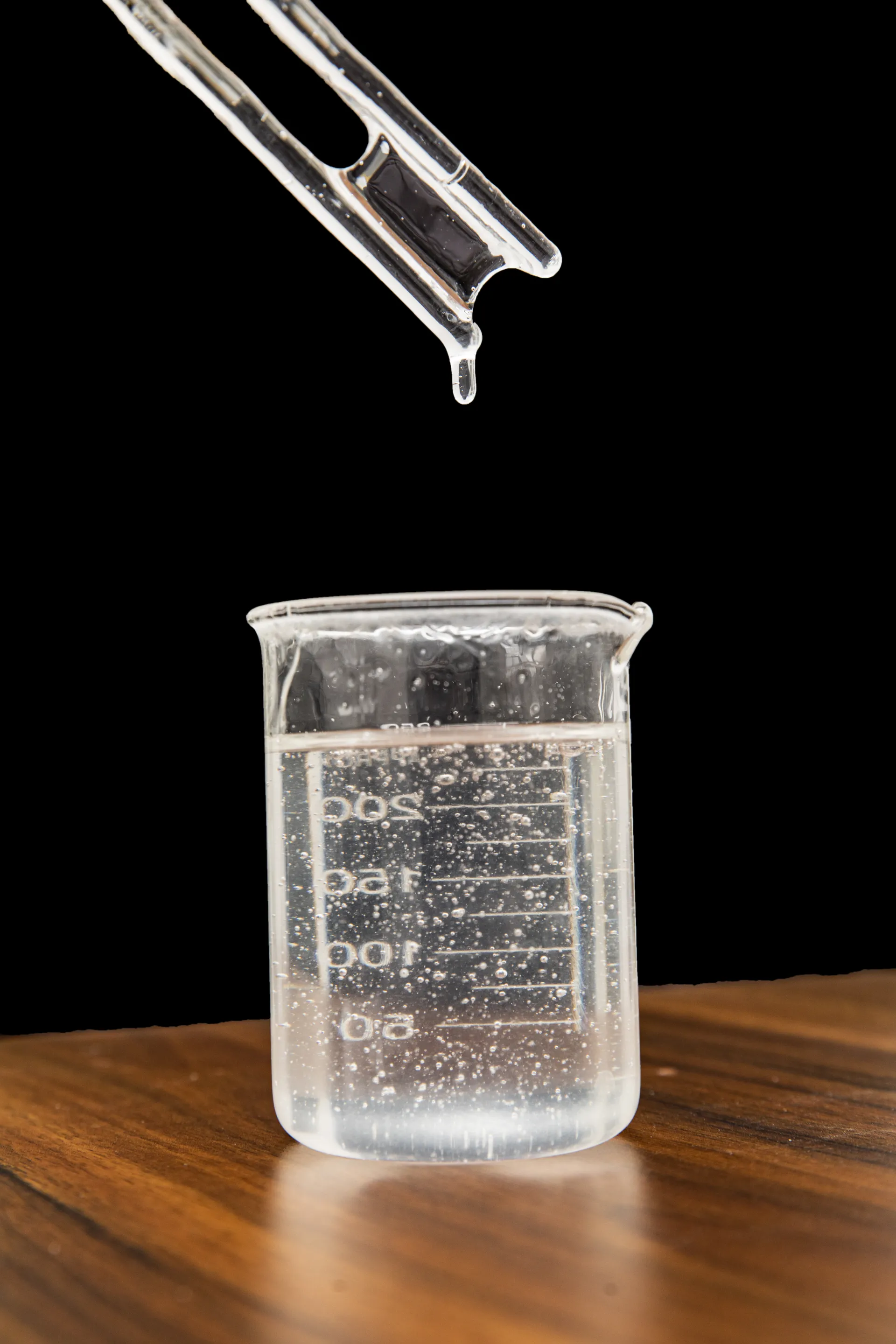
Hydroxypropyl methylcellulose (HPMC) is widely recognized as a versatile compound that finds its application across various industries. Preparing HPMC solutions is paramount for ensuring its effective performance, whether in pharmaceuticals, food processing, or construction. This article sheds light on the expertise required, authoritative guidelines, and trustworthy methodologies associated with HPMC solution preparation. Experience in HPMC solution preparation reveals that the process is both an art and a science, demanding precision and knowledge. Users often face challenges such as insolubility, clumping, or achieving the desired viscosity. These challenges can be mitigated by following specific preparation steps . Here, I will share a streamlined process derived from years of hands-on experience 1. Selection of Grade The choice of HPMC grade significantly influences the end properties of the solution. Different grades offer varying viscosities and gel temperatures, making it crucial to consult technical specification sheets provided by manufacturers to select the right grade for your application needs. 2. Water Quality The quality of solvent, usually water, plays a critical role. Using deionized or distilled water enhances solubility and prevents any potential reactions from contaminants. Experience confirms that temperature-controlled environments boost the solubility rate and uniformity of HPMC throughout the solution. 3. Dispersion Technique Accurate dispersion ensures the complete hydration of HPMC without forming clumps. Begin by sprinkling HPMC slowly into the solvent while stirring continuously. An authoritative tip involves using mechanical stirrers to maintain a consistent dispersal, achieving a lump-free solution efficiently. 4. Temperature Control The temperature of the solvent should be monitored closely. HPMC tends to dissolve better in cold water. By initially employing cold water to disperse the HPMC and later heating it up if the application demands a higher temperature, one can secure optimal results. hpmc solution preparation 5. Hydration Time Time is a crucial factor in preparing an HPMC solution. Allow the solution to hydrate fully, which might take several hours depending on the grade and environmental conditions. Patience is key as incomplete hydration could result in suboptimal solution properties. 6. pH Adjustment For applications requiring specific pH levels, adjust the pH of the solution after full hydration. Different grades of HPMC might react differently to pH adjustments, so it's advisable to conduct small-scale tests before full-scale operations. From a professional standpoint, the expertise of troubleshooting common issues cannot be overstated. In some cases, adding a non-ionic surfactant can assist in reducing surface tension and improving solubility. Furthermore, employing an industrial homogenizer can yield a finer, more consistent HPMC solution in high-demand applications. To establish authority in the preparation of HPMC solutions, it’s paramount to adhere to standardized practices as endorsed by industry leaders. Following guidelines from entities like the United States Pharmacopeia (USP) can ensure compliance and efficacy in pharmaceutical applications. Maintaining a record of every batch's preparation details ensures traceability and identifies areas for future optimization. Trustworthiness is built through consistency and transparency. Regularly testing and documenting the rheological properties of prepared solutions guarantees batch-to-batch uniformity. For enhanced credibility, consider third-party verification from accredited laboratories to validate the effectiveness and safety of the final solution. In conclusion, HPMC solution preparation demands a blend of practical experience, specialized knowledge, and adherence to authoritative protocols. By following these best practices, one can ensure the creation of high-quality HPMC solutions suitable for a variety of applications, ultimately fostering trust and reliability in the end product.
- 40000tons

Production
- 20+years

Experience
- 5000+㎡

Acreage

-
Retained eye comfort is often a top priority for individuals dealing with dry eyes. Among the myriad of products available, the Retaine HPMC Lubricant Eye Drops in a 0 .3 fl oz bottle stand out as a remarkable solution. Crafted with precision, these eye drops are designed to provide relief, improve comfort, and promote overall eye health. The essence of Retaine HPMC's effectiveness lies in its unique formulation. Hydroxypropyl methylcellulose (HPMC) is the main active ingredient, celebrated for its exceptional lubricating properties. As an ophthalmologist who has been practicing for over two decades, I've had the opportunity to witness a variety of treatments for dry eyes. Through empirical observations and patient feedback, HPMC-based eye drops consistently emerge as a front-runner for symptom relief. From a scientific perspective, HPMC is a viscoelastic polymer that mimics the natural lubricants found in the tear film. In simpler terms, it acts as a barrier and shield for the eye, reducing irritation while maintaining moisture. The biocompatibility of HPMC with the ocular surface significantly minimizes the risk of adverse reactions, making it suitable for a wide range of users, including those with sensitive eyes. Beyond its scientific formulation, the practical benefits of the Retaine HPMC Lubricant Eye Drops cannot be understated. This product's specific focus on delivering sustained relief sets it apart. Each 0.3 fl oz bottle is compact enough to carry conveniently in a pocket or purse, ensuring accessibility throughout the day. This is particularly beneficial for individuals with demanding routines or those who work in arid environments where dry eye symptoms can quickly escalate. Furthermore, Retaine HPMC does not contain preservatives. This is a crucial consideration, especially for long-term users. Preservative-free formulations help to prevent potential long-term damage to the tear film and ocular surface, which can be an issue with other drops containing preservatives. This aspect reinforces the product's safety and efficacy, which are paramount for maintaining trust among its users. retaine hpmc lubricant eye drops 0.3 fl oz Personal testimonials and user experiences bolster the product's reputation as well. Many users have expressed satisfaction with the immediate soothing effect upon application, noting a substantial decrease in the frequency of usage due to its long-lasting relief. Such testimonials highlight the product's ability to enhance quality of life for those affected by chronic dry eye syndrome. From an authority standpoint, several eye care professionals recommend Retaine HPMC as part of a comprehensive management plan for dry eyes. This recommendation often stems from the professional's firsthand experience with patient outcomes and the reliability of HPMC in clinical settings. Trust is further established through regulatory approvals and certifications. The Retaine HPMC Lubricant Eye Drops adhere to stringent manufacturing standards, ensuring each bottle meets high-quality benchmarks before reaching consumers. This commitment to quality not only aligns with industry standards but also reassures users of the product's safety. In conclusion, the Retaine HPMC Lubricant Eye Drops offer a combination of scientific innovation, practical design, and validated outcomes that make them an exceptional option for those struggling with dry eyes. The expertise behind its formulation, the authoritative endorsement from eye care professionals, and the trust it builds through consistent performance leave an indelible mark in the vast landscape of eye care products. As we continue to navigate through daily challenges, having a reliable and effective solution at hand reinforces the significance of maintaining optimal eye health.
-
Hydroxypropyl Methylcellulose (HPMC) E5 is a versatile and essential ingredient in various industries, prized for its unique properties that enhance product formulation. As a low viscosity grade of HPMC, E5 offers a distinct set of characteristics highly valued by manufacturers. This article delves into the crucial attributes of HPMC E5, leveraging insights from industry experts and real-world applications to offer a comprehensive understanding of its benefits and usage. One of the standout features of HPMC E5 is its film-forming ability. This property is integral in the pharmaceutical industry, where HPMC E5 is commonly used as a coating agent for tablets. Its ability to form a uniform, adherent, and stable film ensures the protection of active ingredients, enhances shelf life, and improves the aesthetic appeal of tablets. The expertise of formulation scientists highlights that the use of HPMC E5 in coatings improves the swallowability and taste masking of oral dosage forms, making it a preferred choice among pharmaceutical developers. In the realm of construction, HPMC E5 serves as an essential additive in cement-based materials. Its water retention capability prevents premature drying and assures optimal curing, leading to increased strength and durability of the final product. Construction professionals underline that the inclusion of HPMC E5 in mortar formulations results in enhanced workability and open time. This facilitates easier application and adjustment of tiles or other construction components, minimizing waste and improving finish quality. The adhesive industry also benefits from the unique properties of HPMC E5 . The compound's thickening and rheology modification abilities enable the production of adhesives with superior stability and consistency. As experts in adhesive chemistry attest, HPMC E5 improves the bonding capacity and mechanical strength of adhesives, providing reliable performance across different substrates and environmental conditions. This versatility makes it an indispensable ingredient in formulating both household and industrial adhesives. hpmc e5 properties Personal care products, such as shampoos and creams, often incorporate HPMC E5 due to its excellent emulsification and stabilization properties. Cosmetologists and personal care formulators value HPMC E5 for its ability to maintain the integrity and homogeneity of creams and lotions. Its non-ionic nature ensures compatibility with various active ingredients, allowing for innovative formulations that cater to diverse consumer needs. Furthermore, HPMC E5’s gentle nature and lack of irritancy make it suitable for sensitive skin products, thus broadening its applicability in the cosmetics industry. From an expert perspective, the adaptability of HPMC E5 across different formulations and industries underscores its significance. Its non-ionic and cellulose-based nature ensures environmental compatibility and safe usage, aligning with the growing consumer demand for sustainable and eco-friendly products. Manufacturers leveraging HPMC E5 can assure their clientele of high-quality, reliable, and effective products, bolstering trust and authority in their respective markets. Trustworthiness in utilizing HPMC E5 is reinforced by thorough testing and compliance with regulatory standards, which are critical for product safety and efficacy. Collaboration with experienced formulation scientists and adherence to stringent quality control measures guarantees that products incorporating HPMC E5 deliver consistent and dependable performance. In conclusion, HPMC E5 stands out due to its unique properties that serve a wide array of applications, ranging from pharmaceuticals and construction to adhesives and personal care products. Its esteemed position is further corroborated by industry expertise and practical experience, which collectively affirm its role as a high-value ingredient. By integrating HPMC E5, manufacturers not only optimize product performance but also ensure an authoritative and trusted presence in their sectors.
advantages
-

200000 Viscosities
Excellent product
We can produce pure products up to 200,000 viscosities
-

40000 tons
High yield
We don’t stop production all year round, and the annual output can reach 40,000 tons
-

24 hours
Quality service
We provide 24-hours online reception service, welcome to consult at any time
———— Inquiry Form
Schedule A services


-
 macro_fibres_concrete
Oct . 25, 2025
Hydroxypropyl methylcellulose, abbreviated as HPMC, is revolutionizing various industries due to its -
 wood_cellulose_fiber
Oct . 25, 2025
Chemical materials have become an integral part of countless industries, enabling innovations and im -
 pati_eter_untuk_konstruksi
Oct . 25, 2025
Hydroxypropyl Methylcellulose, commonly referred to by its INCI name HPMC, is an ingredient widely u


